
Global Ranking for Innovation – Where Australia sits on the scale
Australia is seen as having a vibrant research and development (R&D) landscape, with a significant amount of R&D conducted across various sectors, including the renewable energies, pharmaceutical, medtech, electronic, mining technology & and manufacturing industries. But, until recently, we may have unknowingly been lagging behins.
An article published in 2021 by The Conversation, called out our R&D sector saying it has been masked by “dumb luck” due to exports to China and high levels of immigration.
According to the Australian Bureau of Statistics (ABS), in the latest available data for the financial year 2019-2020, total business expenditure on R&D in Australia reached $24.1 billion. This represents a substantial investment by businesses in driving innovation and technological advancements. However, the majority of this investment has been derived from within the SME sector, rather than from more resourceful, larger organisations. This is not where we will see the gamut of leaps and strides in innovation.
Here are some insights into Australia’s position in the global R&D landscape:
Global Innovation Index: The Global Innovation Index (GII) is an annual ranking that assesses the innovation performance of countries worldwide. In the latest GII 2021 report, Australia was ranked 23rd out of 132 economies. While Australia maintains a relatively strong position, there is significant room for improvement to compete with leading innovation-driven economies.
R&D Intensity: R&D intensity refers to the ratio of R&D expenditure to a country’s gross domestic product (GDP). According to data from the World Bank, Australia’s R&D intensity has been relatively stable in recent years, after slipping from 2.2% in 2008. In 2019, Australia’s R&D intensity was 1.79%, which is significantly below the 3% average for OECD (The Organisation for Economic Co-operation and Development) member countries.
How Australia is Incentivising Innovation in Businesses
The R&D Tax Concession program was introduced in Australia in 1985. At the time it was one of the most generous R&D tax programs in the world. This was replaced by the R&D Tax Incentive Scheme in 2011, and is not dissimilar to other incentives seen implemented in other OECD countries. It provided innovators with somewhat of a solution, offering generous tax offsets for eligible R&D activities.
Global economies are all facing difficulties managing the current rate of inflation and other adverse conditions. However, a potential positive side effect of investment in innovation is the likely increase in productivity, which could reduce inflation.
Is it enough?
Though Australia has made significant strides in R&D, it faces challenges in maintaining a high global ranking in this area.
Collaborations between research institutions, businesses, and government bodies play a crucial role in driving innovation. Australia has been working to improve collaboration between academia and industry to bridge the gap and enhance commercialisation and technology transfer.
Initiatives with increased financial incentives that promote collaboration with research institutions, knowledge exchange, and innovation in key industries could see a turnaround in Australia’s ranking and innovation competitiveness.
While Australia has a strong research base and innovative capabilities, there is an ongoing effort to increase investment in R&D, foster entrepreneurship, and create an environment conducive and rewarding to innovation.
Now is a great time to be an innovator in Australia.
Given the points raised in this article, it is clear that now is a great time to be an innovator. The Australian government has recognised the impact and need for R&D and has been implementing various policies and funding programs to support R&D activities and encourage businesses to prioritise innovation. To find out how much you could potentially get back, try our specifically developed R&D Benefit Estimation tool.
Case Study: Shark Shield
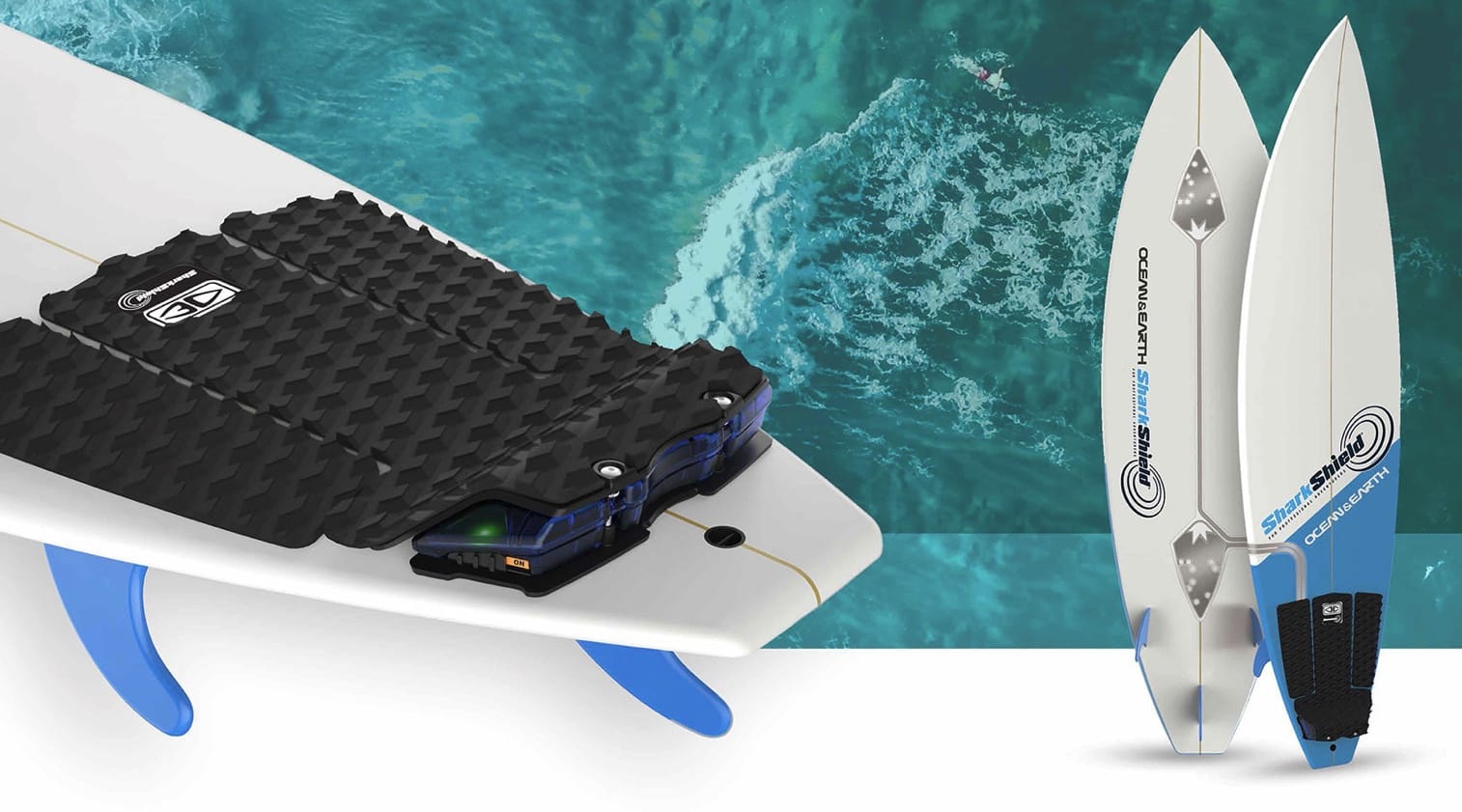
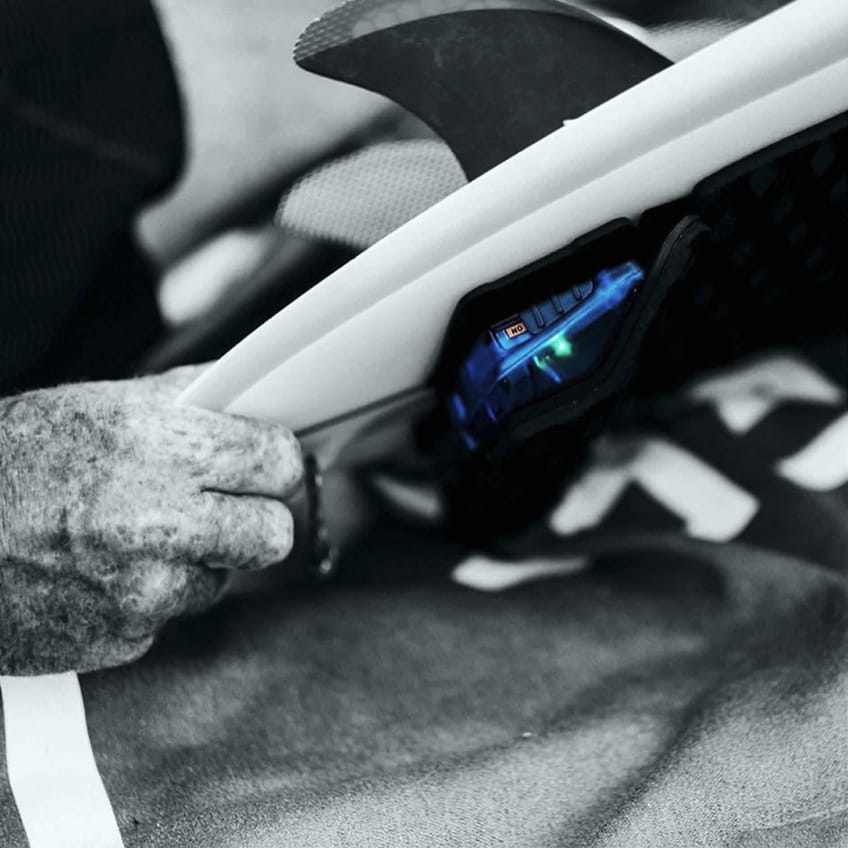
One highly progressive innovation making strides is Shark Shield. Shark Shield is the world’s only scientifically proven electrical shark deterrent. Peter Shandley, CEO of Tiller Design, the innovators responsible for this leading technology, shared with us details of the unique design.
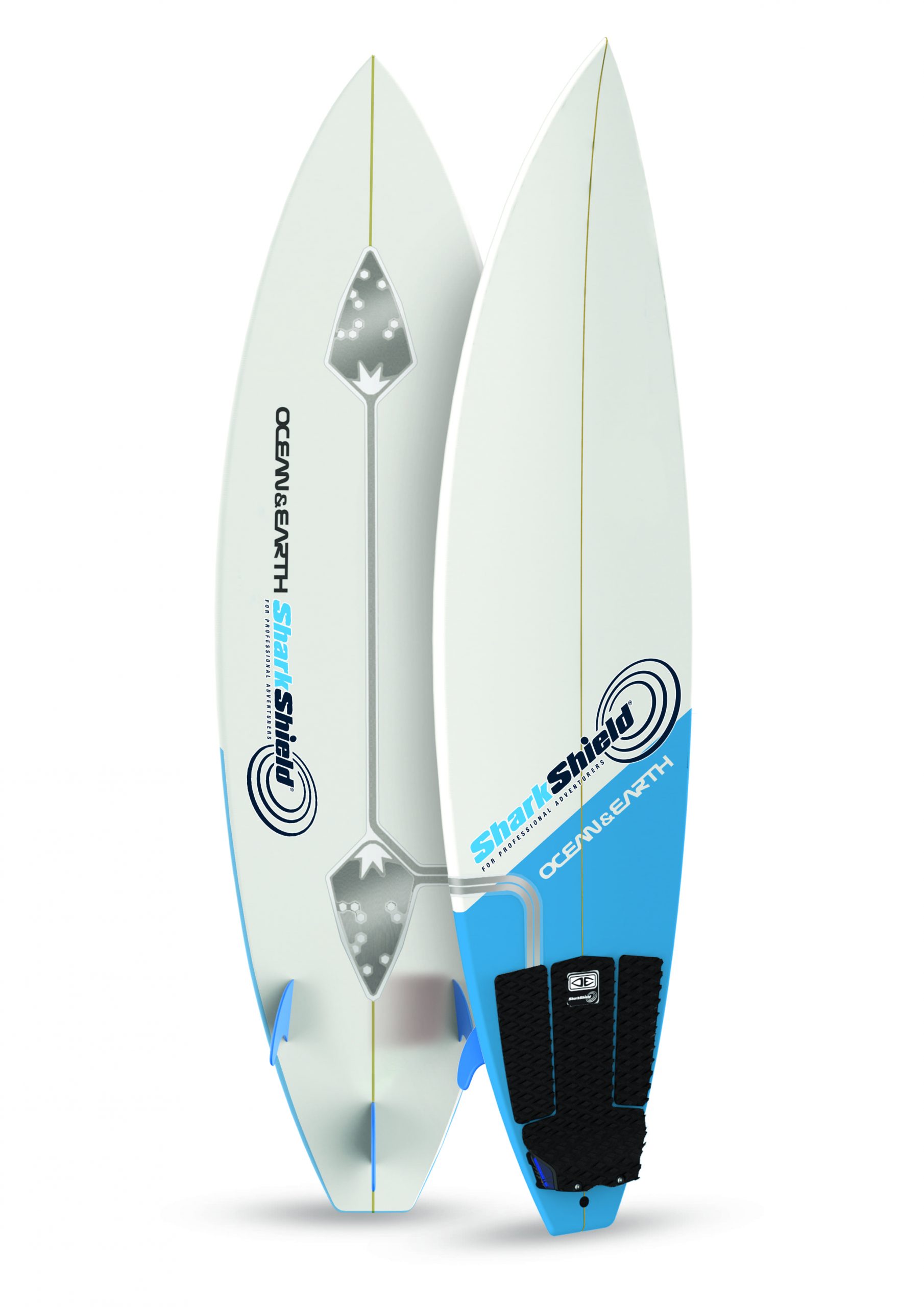
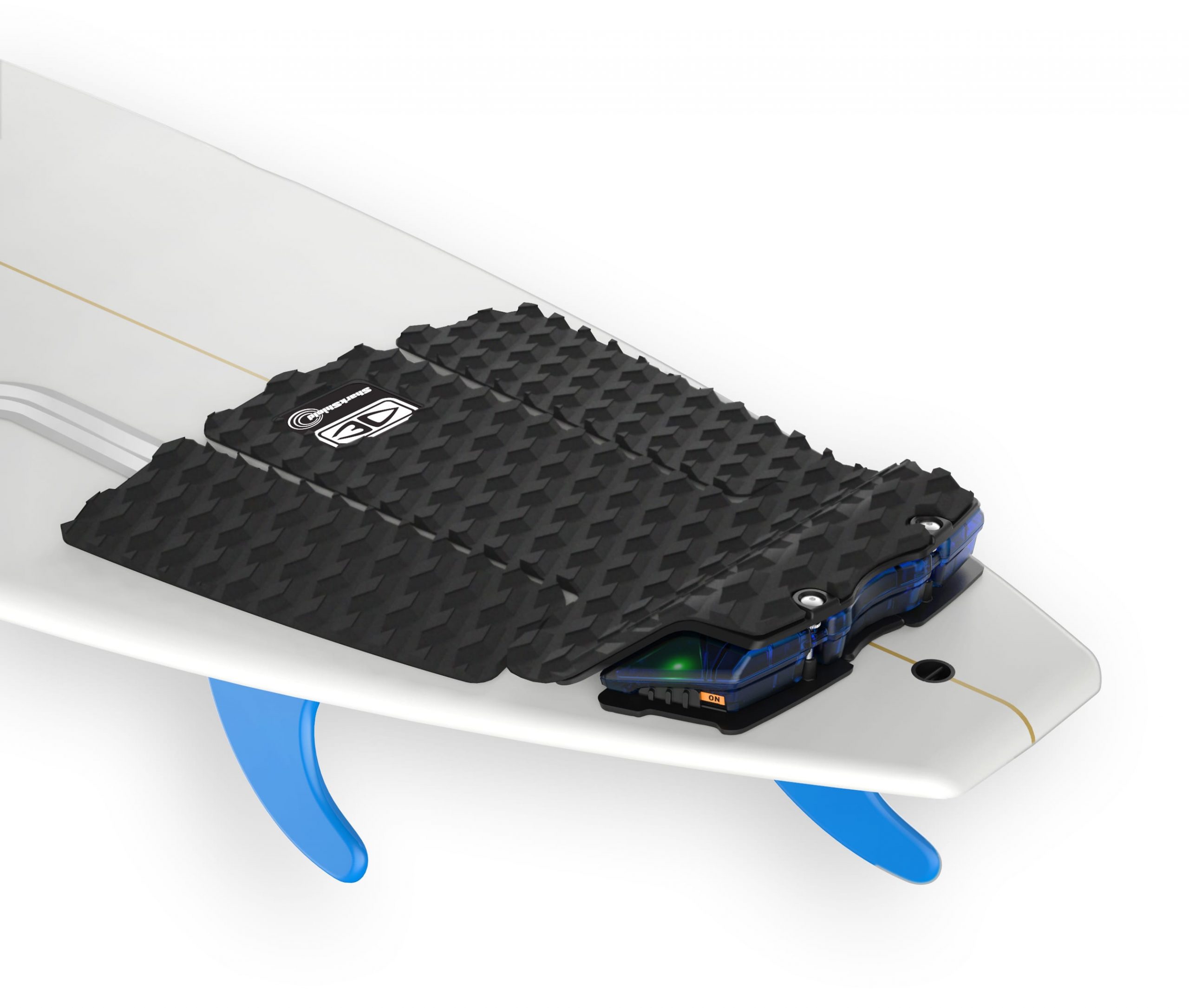
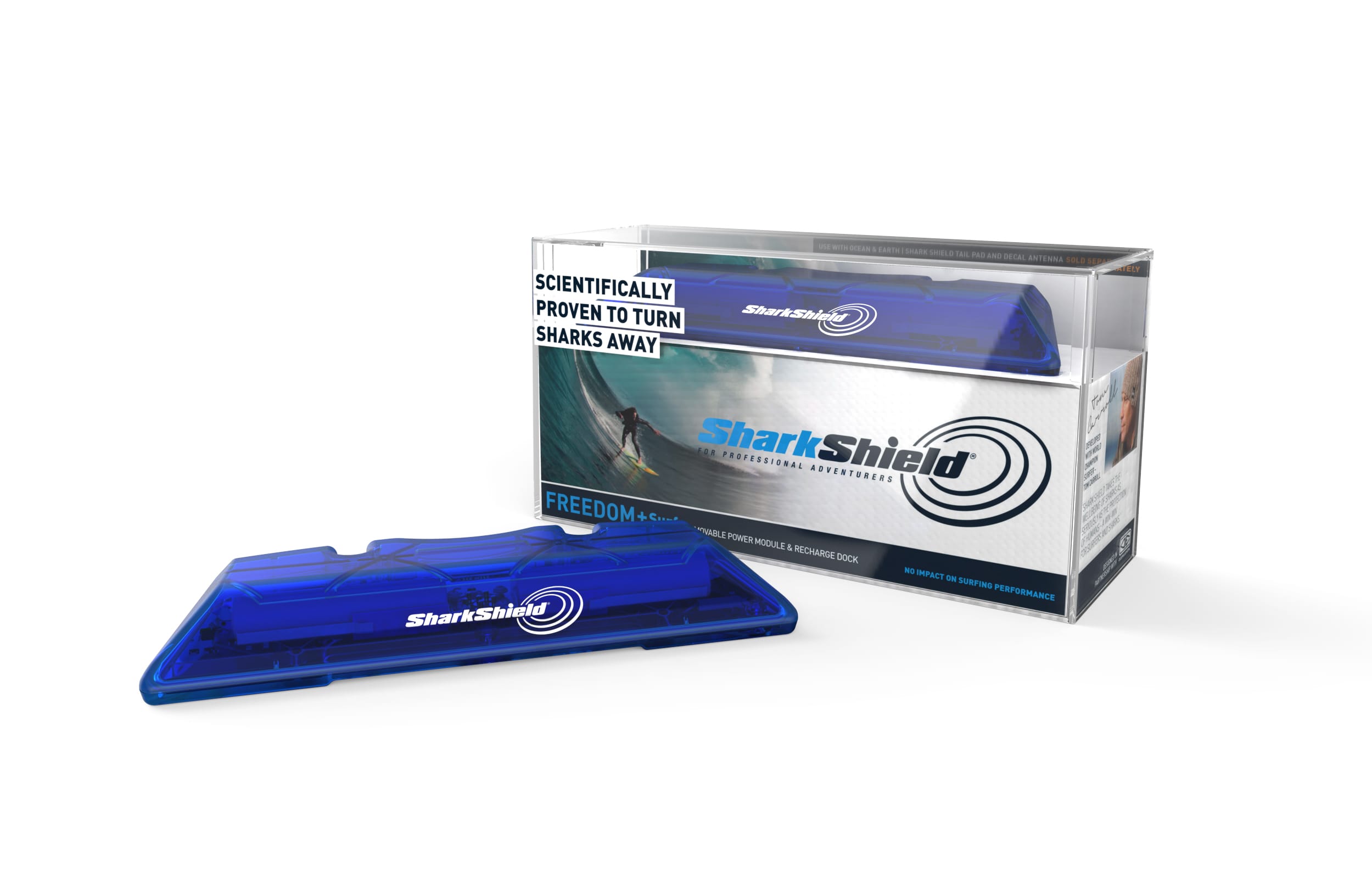
Peter shared “By reimagining the packaging of the electronics and battery, we allowed the Power Module to sit within the standard form of a kick pad. The smart enclosure is fully sealed against saltwater, so the surfer is never impeded. The antennae has been designed to be a decal meaning it’s only microns thick resulting in virtually no additional drag.” Through the proven shark deterring technology and ability to retrofit onto existing boards easily, the West Australian government has endorsed Freedom+ (powered by Tiller Design) and offers a $200 rebate for all systems sold in WA.
Their constant commitment to R&D has seen them achieve this huge competitive advantage and has positively impacted surfing for future generations. For more information on why innovation is a competitive advantage, read our next article.

Here, at Innov8tion, we are proud to provide our support, knowledge and expertise specific to tax advice surrounding R&D, innovation and the Australian R&D Tax Incentive program. As specialists and dedicated tax agents in the R&D sector, we work with eligible innovators to ensure they receive maximum supportive benefits that assist in bringing their vision into development and beyond.
It is through innovation that we advance and stay competitive, both through our standalone businesses and united as a country.
For any enquiries, please contact us at admin@innov8tionrd.com.au